

What are invisible-in-canal (IIC) hearing aids?
If you’ve been told by your audiologist that you may need a hearing aid,
By: admin | September 24, 2025
Loud sounds are everywhere in your daily life, from power tools and lawn mowers to concerts and sporting events. You might not think twice about the noise level when you’re using a leaf blower or attending a music festival, but repeated exposure to these sounds can gradually damage your hearing over time. The frustrating part is that this damage often happens so slowly you don’t notice it until it’s already significant. What’s encouraging is that noise-induced hearing loss is largely preventable when you use appropriate ear protection for your specific activities and environment.
Choosing the right ear protection isn’t about finding one product that works for everything. The earplugs that are perfect for sleeping might not be the best choice for a woodworking project, and what works great for your friend at the shooting range might feel uncomfortable during your motorcycle rides. Your lifestyle, the types of noise you encounter and your personal preferences all matter when selecting protection you’ll actually use consistently. When ear protection fits well and suits your needs, you’re much more likely to wear it regularly, which means better long-term protection for your hearing health.
Exposure to loud noises can damage the tiny hair cells in your ears that are essential for hearing. Once these cells are harmed, they do not recover, which can lead to permanent hearing loss.
Using ear protection lowers the risk of this damage, especially in places where loud sounds are common. Even brief exposure to loud noises, like fireworks or concerts, can be harmful if your ears are not protected.
Loud sounds can affect your ears more quickly than you might realize. Sounds above 85 decibels, like those from a lawn mower or heavy traffic, can start to cause harm if you are exposed for extended periods. Listening to music at high volume through headphones also increases your risk.
When loud noise enters your ear, it puts stress on the hair cells that send sound signals to your brain. If these cells are damaged, they do not heal, which means hearing loss can develop gradually. Some people also notice ringing or buzzing in their ears after being around loud sounds, which is another sign that the ears have been affected.
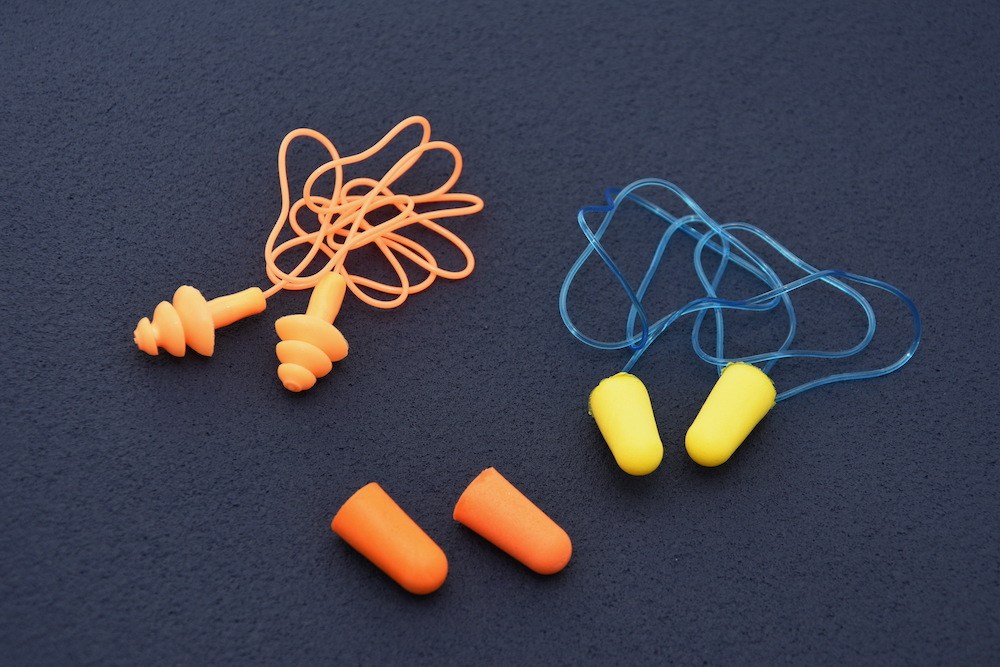
Several types of ear protection are available to help keep your hearing safe. Foam earplugs are soft and fit inside your ear canal, blocking out loud sounds during activities like concerts or when using noisy tools.
Earmuffs fit over your ears and create a seal that helps reduce noise from sources like lawn mowers or construction work. Custom-molded earplugs are also an option and can be made to fit your ears for added comfort and protection in noisy settings.
Electronic hearing protection devices use microphones and speakers to let you hear safe sounds while blocking out harmful noise levels. These devices are useful in places where noise levels change quickly, like shooting ranges or construction sites. Electronic earmuffs or earplugs allow you to hear conversations and warning signals but automatically reduce the volume when a loud sound occurs. This makes them a good choice when you need both protection and the ability to communicate clearly in noisy environments.
Earplugs work by creating a barrier that reduces how much sound enters your ear canal. When loud noise is present, sound waves can place stress on the delicate structures inside your ear, especially the tiny hair cells that help you detect and process sound. Earplugs limit the intensity of these waves, lowering the overall noise level that reaches the inner ear and reducing the risk of lasting damage. Even a small reduction in volume can make a big difference in how safely your ears handle exposure to loud environments.
Different situations can affect how earplugs perform. For example, the material and fit of the earplug influence how much sound is blocked. A well-fitted earplug creates a tight seal, which is especially helpful in environments where noise levels are unpredictable or sustained over long periods of time. Earplugs do not completely block sound, so you can still hear speech or music, but they bring the noise down to safer levels. This balance makes them a practical choice in places like concerts, sporting events or noisy workplaces, where total silence is not realistic but hearing protection is still important.
Some people find earplugs uncomfortable or difficult to keep in place for long periods. Earmuffs offer an alternative by fitting over the ears and being easy to put on and remove.
Earmuffs create a seal around the entire ear, blocking out loud sounds from machinery, power tools or busy traffic. They are often adjustable for a snug fit without causing discomfort. Earmuffs are reusable and simple to clean, making them a practical choice for regular use. For those who want quick and comfortable hearing protection in noisy places, earmuffs provide an effective solution.
When deciding between disposable and reusable earplugs, consider how often you need them and how easy they are to keep clean. If you use earplugs daily, it may help to have both types available so you can choose what fits your routine.
Disposable earplugs are usually made from soft foam and are meant to be thrown away after one or two uses. They are convenient for travel or situations where cleaning is not possible right away. Reusable earplugs, made from materials like silicone, can last much longer if washed regularly. People who use reusable earplugs may save money over time since a single pair can last for months with proper care.
Concerts and music events often reach sound levels that can harm your hearing. Using ear protection designed for music, like high-fidelity earplugs, helps lower the volume without making the music sound muffled or unclear.
Many worry that earplugs will take away from the concert experience, but special earplugs for music keep sound clear while protecting your ears. You can enjoy live music without missing out on the details by choosing ear protection made for concerts, helping to keep your hearing healthy for future events.
Children and young adults often take part in activities with loud sounds, like sporting events, school band practice or fireworks displays. Their ears are still developing and may be more sensitive to noise damage. Using child-sized earmuffs or properly fitting earplugs helps protect their hearing during these events. Parents should teach children how and when to use ear protection so they develop good habits early in life. Choosing colorful or comfortable designs can also make it easier for kids to wear hearing protection when needed.
Power tools and yard equipment like leaf blowers and chainsaws can reach noise levels that are dangerous for your hearing. Wearing the right ear protection during these activities helps prevent hearing loss.
Options include earmuffs that are easy to put on and provide strong noise reduction, foam earplugs that are lightweight and disposable, and reusable earplugs made from silicone or rubber that are washable and long-lasting.
Using proper protection reduces your risk of hearing loss and makes loud tasks more comfortable. Some drawbacks include earmuffs feeling hot in warm weather or not fitting well with hats or safety glasses, while earplugs need to be inserted correctly to work well.
Shooting and hunting can expose your ears to sudden, very loud noises that may cause immediate hearing loss. Using proper ear protection like earmuffs or specially designed shooting earplugs helps reduce this risk.
Benefits of using hearing protection during shooting or hunting include lowering the chance of permanent hearing loss and making these activities safer for your ears. Some types of ear protection may feel bulky with hats or safety gear, and certain earplugs might make it harder to hear quiet sounds around you while outdoors.
Workplaces and industrial environments often have high noise levels that can put your hearing at risk if you are not careful.
Wearing proper ear protection like earmuffs or earplugs is important when working around loud machines or equipment.
Follow safety rules, take regular breaks from noisy areas and check that your hearing protection fits well and is in good condition. These steps help lower the chance of hearing loss while you are on the job.
Water activities like swimming, surfing or playing in the pool can sometimes let water and bacteria get trapped in your ears. This can raise the risk of ear infections or irritation, especially if you spend a lot of time in the water.
To help protect your ears, consider using swim earplugs that are made to keep water out while still feeling comfortable. Dry your ears gently with a towel after swimming and tilt your head to let any extra water drain out. Wearing a swim cap over your ears can also help keep them dry during longer periods in the water.
Comfort and fit matter when choosing ear protection devices. If earplugs or earmuffs do not fit well, you may not get the full benefit of noise reduction.
A poor fit can also cause discomfort, making it less likely that you will wear the protection as long as needed. Devices that are too tight or loose can lead to irritation or fall out during use.
Choose ear protection that matches your ear shape and size for the best results. Properly fitted devices help block harmful sounds while allowing you to wear them comfortably for longer periods.
Selecting the right ear protection starts with thinking about where and when you will use it. Consider the type of noise, how long you will be exposed and whether you need something for daily use or just special occasions.
Next, look at the different styles available like foam earplugs, reusable plugs or earmuffs. Make sure to choose a product that fits well and feels comfortable so you can wear it as long as needed.
Reading the noise reduction rating (NRR) on each product can help you compare how much sound each option blocks out. Picking ear protection with a higher NRR is important if you spend time in very loud places or need extra safety for your hearing.
Protecting your hearing supports your long-term health and lets you enjoy daily activities with confidence. Whether you attend concerts, work with power tools or spend time in the water, having the right ear protection keeps your ears safe and comfortable.
If you have questions about which ear protection is best for your needs or want help finding a comfortable fit, our team at The Hearing and Tinnitus Center in Westminster, CO is ready to assist you. Call (720) 420-7780 to speak with us or schedule an appointment. We are here to help you find ear protection that fits both your lifestyle and hearing goals.
Tags: hearing loss prevention tips, hearing protection products

If you’ve been told by your audiologist that you may need a hearing aid,
By: admin | September 21, 2020